


Success in school requires more than knowing the right answer. Students need to develop the ability to plan, organize, manage their time, stay focused, and adapt when they encounter challenges. These abilities, known as executive functioning skills or executive function skills, play an important role in learning and everyday life.
In this article, we’ll explore what executive functions are, why they matter, and practical strategies for teaching executive functioning skills in the classroom to help students become more organized, independent, and confident learners.
What Are Executive Functioning Skills?
Executive function skills are the cognitive processes that we use to execute goals. These skills are not tied to a single academic subject—they support learning across every content area.
Some of the most common executive function skills include:
- Planning
- Prioritization
- Working memory
- Flexible thinking
- Self-monitoring
- Impulse control
- Time management
- Goal setting
Classroom projects are an easy way for students to demonstrate executive functioning skills. Before they begin, they need to understand the assignment, collect materials, determine manageable steps for completion, evaluate their progress, and submit everything by the deadline.They need strong executive functioning skills for every step of the way.
Executive functioning skills don’t come naturally to every student. They develop these abilities at different rates and it’s common for students to need guidance to be successful.
Many of these skills continue developing well into early adulthood. Every learner can benefit from intentional opportunities to strengthen these lifelong strategies.

Why Teaching Executive Functioning Skills Matters
Sometimes classroom challenges can be a sign of students lacking executive functioning skills. A student who repeatedly forgets their assignments may need a better organizational system. Another who rushes through assignments might benefit from self-monitoring strategies.
Teaching executive functioning skills in the classroom gives your students the tools they need to become more successful, independent learners.
When you focus on teaching these skills, students can:
- Complete assignments independently.
- Follow multi-step directions.
- Develop strong problem-solving abilities.
- Build resilience.
- Take ownership over learning.
Over time, these habits contribute to building independence in students, resulting in smoother instruction, fewer interruptions, and stronger overall classroom management.
Most importantly, these skills prepare students for success beyond your classroom walls. Whether they’re managing extracurricular activities, college coursework, or career deadlines, strong executive functioning skills help them navigate real-world challenges with confidence.
The Importance of Classroom Routines
Consistent classroom routines and predictable expectations create an environment where executive functioning skills can grow. When classroom procedures are thoughtfully designed, students have repeated opportunities to practice and strengthen their executive functioning skills.
Reliable routines support executive functioning by:
- Reducing cognitive load.
- Fostering independence.
- Reinforcing skills through consistent practice.
Classroom Routines Examples
Instead of adding more lessons to your day, you can integrate executive functioning skills into your daily classroom routines.
Arrival
No matter the age of your students, they’ll benefit from beginning the day with a consistent routine. Whether it’s a morning meeting or reviewing the agenda before you begin class, this easy habit strengthens planning and organization to start the day on the right track.
Assignments
As you give students independent work, encourage them to take a few moments to make a plan. Consider providing a visual to help them move through the process of identifying the task, estimating how long it will take, collecting materials, and identifying an end-goal. This routine strengthens planning, prioritization, and time management skills for students.
Transitions
Establishing predictable transition strategies between activities helps students practice working memory, organization, and cognitive flexibility. For very young students, this may look like playing the same song when it’s time for them to clean up their centers. For older students, this might look like preparing supplies for the next lesson or reviewing the next learning objective.
End-of-Day
Set aside time at the end of the day for students to clean their desks or backpacks, log assignments, and reset for the next day. This routine reinforces organization, self-monitoring, and time management.
Weekly Reflections
Consider designating time each week for students to reflect on their progress and set goals for the week ahead. SMART goals are a helpful framework for teaching students how to set goals. Help them identify the strategies that worked well for them and what areas they want to improve. This helps them develop self-monitoring, goal-setting, and metacognitive thinking.
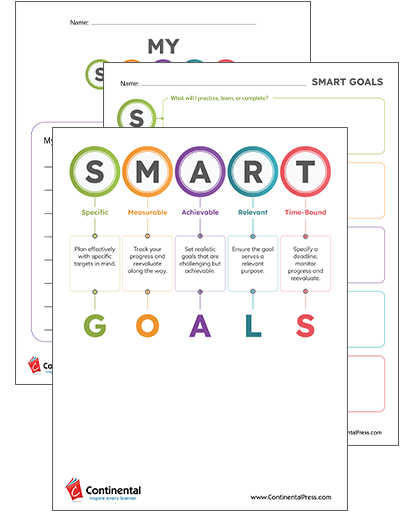
FREE SMART Goals Printable Bundle
Our free SMART Goals bundle includes a classroom poster and adapted worksheets for all grade levels. Sentence frames support younger students and ESL learners, making goal setting clear and accessible for every student.
Teaching Executive Functioning Skills in the Classroom
Establishing classroom routines and procedures will provide a strong foundation for building executive functioning skills, however students also benefit from explicit instruction and modeling. These everyday executive functioning strategies help students grow the habits they’ll use throughout the school day and beyond.
- Model Your Thinking
Verbalize your thought process as you prioritize tasks or solve problems in the classroom. By thinking aloud, your students can understand not only what to do but how to approach challenges intentionally.
- Break Tasks Into Manageable Steps
Sometimes students can be overwhelmed with the scope of an assignment—help them break it down into manageable steps.
- Use Visual Supports
Visual schedules, checklists, graphic organizers, and anchor charts are all useful reference tools for students that can help them be more independent and organized.
- Teach Organizational Systems
When considering how to teach organizational skills to students, it’s helpful to remind them that there’s no one-size-fits-all approach. Show examples of different types of systems and remind them to be flexible if their needs change over time.
- Model Time Management
Help students estimate the time a task will take, prioritize their assignments, and break larger tasks into incremental steps
Supporting Diverse Learners
Students develop executive functioning skills at different paces. Some students will need extra support to successfully complete executive functions in the school day.
Whether you have English language learners or neurodivergent students in your classroom, all students benefit from support to guide them toward independence. You can proactively build support systems into your day so that every student has the tools they need to succeed.
The following scaffolding strategies create support systems that benefit every learner:
- Explicit instruction
- Visual supports, like graphic organizers
- Multiple ways to demonstrate learning
- Checklists
Executive functioning skills aren’t developed through a single lesson. They are strengthened through consistent routines, intentional instruction, and regular opportunities to practice them. By teaching executive functioning skills in the classroom, you can help your students develop skills that extend far beyond the classroom and into everyday life.