



Keeping students engaged in writing all year long can be a challenge. Seasonal writing prompts help students write from shared experiences, making writing more accessible for all learners.
Whether you use seasonal writing prompts in your writing centers or as daily warm-ups, you can help students stay engaged while building essential writing skills. In this guide, you’ll find creative ideas for every season, along with strategies to support all learners, including English language learners (ELLs).
Why Seasonal Writing Prompts Work
Writing prompts are an easy way to scaffold the writing process for your students. Some students may get stuck in the brainstorming process while others have trouble narrowing down their ideas.
As students take standardized tests, they may be asked to write a response to a prompt. Providing students with opportunities to generate writing from prompts builds their confidence for test day.
- Some benefits of writing prompts include:
- Providing familiar, real-world context.
- Reducing writer’s block with ready-made topics.
- Building vocabulary.
- Encouraging personal connections.
When writing about the season, students can draw directly from their environment to guide their writing. This is especially helpful for younger writers and multilingual students who benefit from concrete, shared experiences.
How to Use Seasonal Writing Prompts in Your Classroom
One of the biggest advantages of seasonal writing prompts is their flexibility. They are easy to incorporate into your regular routines as well as standalone activities.
Some simple, low-prep ways to include seasonal writing prompts in your classroom include:
Daily Warm-Ups: Start class with a quick prompt that’s connected to the current season.
Writing Centers: Provide students with visuals and sentence frames in your writing centers.
Journals: Using journals, have students respond to one prompt per week or day to build consistency over time.
Discussion Starters: Use prompts as think-pair-share activities before writing to help students build vocabulary and generate ideas.
Paired with Visuals: Adding images or art can help support students’ comprehension and creativity.
By rotating prompts throughout the year, you can keep your routines fresh.

Creative Writing Prompts for Every Season
Using seasonal writing prompts ensures students always have relevant writing topics. Below are ideas for each season for both elementary and secondary students.
Spring Writing Prompts
Spring is filled with themes of growth, change, and renewal. This makes it ideal for both descriptive and reflective writing. Below are some ideas for spring season writing activities.
Elementary Spring Writing Prompts:
- What do you see/hear/feel in spring?
- What would you plant in your garden?
- Describe a rainy day.
- What animals do you see in spring?
- How would you describe spring weather?
Secondary Spring Writing Prompts:
- What does growth look like in your life right now?
- Write about a time you started something new.
- Why do people connect spring to new beginnings?
Keep the themes of growth and renewal going with even more spring writing prompts and classroom-ready ideas.
Summer Writing Prompts
Summer contains a sense of freedom, adventure, and creativity. These themes can be incorporated into your writing prompts in a variety of ways. Some teachers send home summer journals to practice writing skills at home.
Elementary Summer Writing Prompts:
- What is your favorite thing to do in the summer?
- Describe your perfect summer day.
- Write about a trip that you’ve taken during the summer.
- What would you do if summer lasted all year?
Secondary Summer Writing Prompts:
- Write about your favorite summer memory.
- If you could travel anywhere, where would you go and why?
- Should summer break be longer? Explain.
- What comes to your mind when you think of summer?
- How does summer change your daily routine?
These summer writing prompts support narrative, descriptive, and persuasive writing. They can easily connect to a “my favorite season” writing prompt, helping students explain their preferences.
Looking for flexible, low-pressure writing ideas to carry students through the summer months? Explore more seasonal prompts and activities.

Fall Writing Prompts
The season of fall is rich with sensory details and themes of transition. There are also many opportunities for students to make STEM connections as they discuss the science behind the changes in the weather.
Elementary Fall Writing Prompts
- Why do leaves change color in the fall?
- What is your favorite fall activity?
- Describe how fall looks/smells/feels.
- What do you like about the weather in fall?
Secondary Fall Writing Prompts
- Why is the season of fall associated with change?
- Write about a tradition in fall that is important to you.
- Which season is your favorite and why?
These fall writing prompts help build vocabulary and encourage students to make personal connections in their writing.
Winter Writing Prompts
Winter is a versatile time for writing inspiration. Whether students are writing about snowy day adventures or holiday traditions, the season is full of opportunities for creative writing.
Elementary Winter Writing Prompts:
- What would you do if you had a snow day?
- What would you build out of snow?
- Describe what you see in winter.
Secondary Winter Writing Prompts:
- What does the new year represent to you?
- Write about a challenge you overcame this year.
- What does a “fresh start” mean to you?
- Write about a favorite winter memory.
Winter prompts are especially effective because they can combine personal reflection, creativity, and sensory description.
Extend the creativity through the winter months with even more seasonal writing prompts and engaging classroom ideas.
Holiday Writing Activities
Incorporating fun holiday writing activities throughout the year is an easy way to boost engagement and add academic value to your classroom celebrations.
Elementary Holiday Writing Prompts:
- What is your favorite holiday?
- What do you do to celebrate?
- What is your favorite holiday food?
Secondary Holiday Writing Prompts:
- What makes a holiday meaningful to you?
- Write about a holiday tradition that is important in your life.
- Should holiday traditions change over time? Why or why not?
Add even more meaning to your classroom celebrations with additional holiday writing prompts.
Supporting Writing for ELLs
Building writing skills for ELs begins with creating opportunities that are meaningful and relevant. Seasonal writing prompts are a natural fit for this, as they connect directly to students’ everyday experiences.
Below are a few scaffolding strategies to help your English learners build their writing skills.
Use Visuals and Art
Pair prompts with images to provide context and spark creativity. This reduces language barriers and helps students develop vocabulary.
Give Sentence Frames
Sentence frames offer students a structure to build from—which is especially important for developing writing skills for newcomers. Below are some examples of sentence frames that can be used at a variety of proficiency levels.
- In spring, I see ________.
- In summer, I like to ________.
- In the fall, the weather is ________, and I feel ________.
- During winter, I like to ________ with my ________.
- My favorite season is ________ because ________.
- I believe ________ is the best season because ________.
Offer Graphic Organizers
Graphic organizers help students brainstorm before writing. They help students break the writing process into manageable steps and build their confidence to write independently.
You might use an idea web to generate seasonal vocabulary or provide students with a beginning-middle-end organizer for narrative writing. Over time, scaffolds can be gradually removed as students develop their writing and language skills.
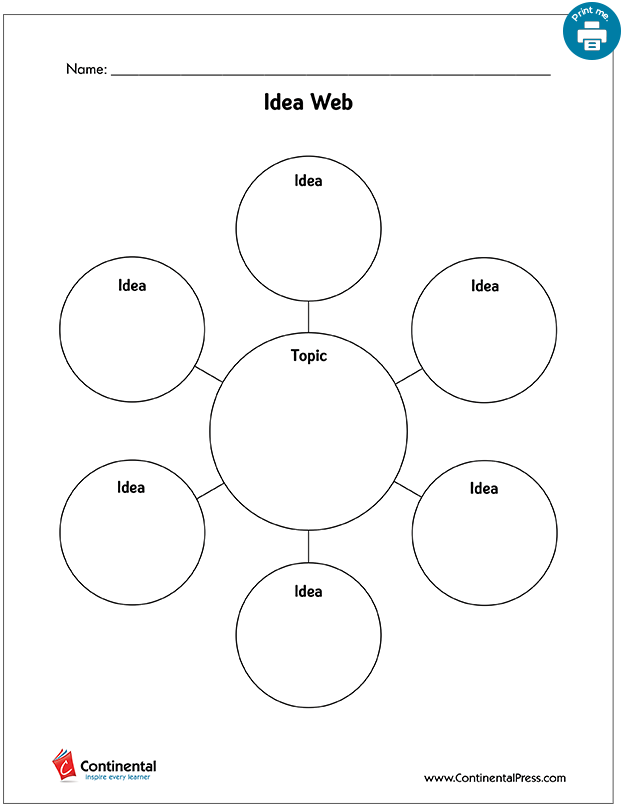
FREE Idea Web Printable
Our free Idea Web graphic organizer helps students easily map out a central topic and supporting details. The clear, structured layout is ideal for brainstorming, prewriting, and reading response, while supporting all learners—including younger students and English learners—in organizing their ideas.
Using seasonal writing prompts is a simple yet powerful way to keep students engaged in writing all year long. By connecting writing to familiar experiences like weather and seasons, you can create meaningful opportunities for students to express their ideas.