

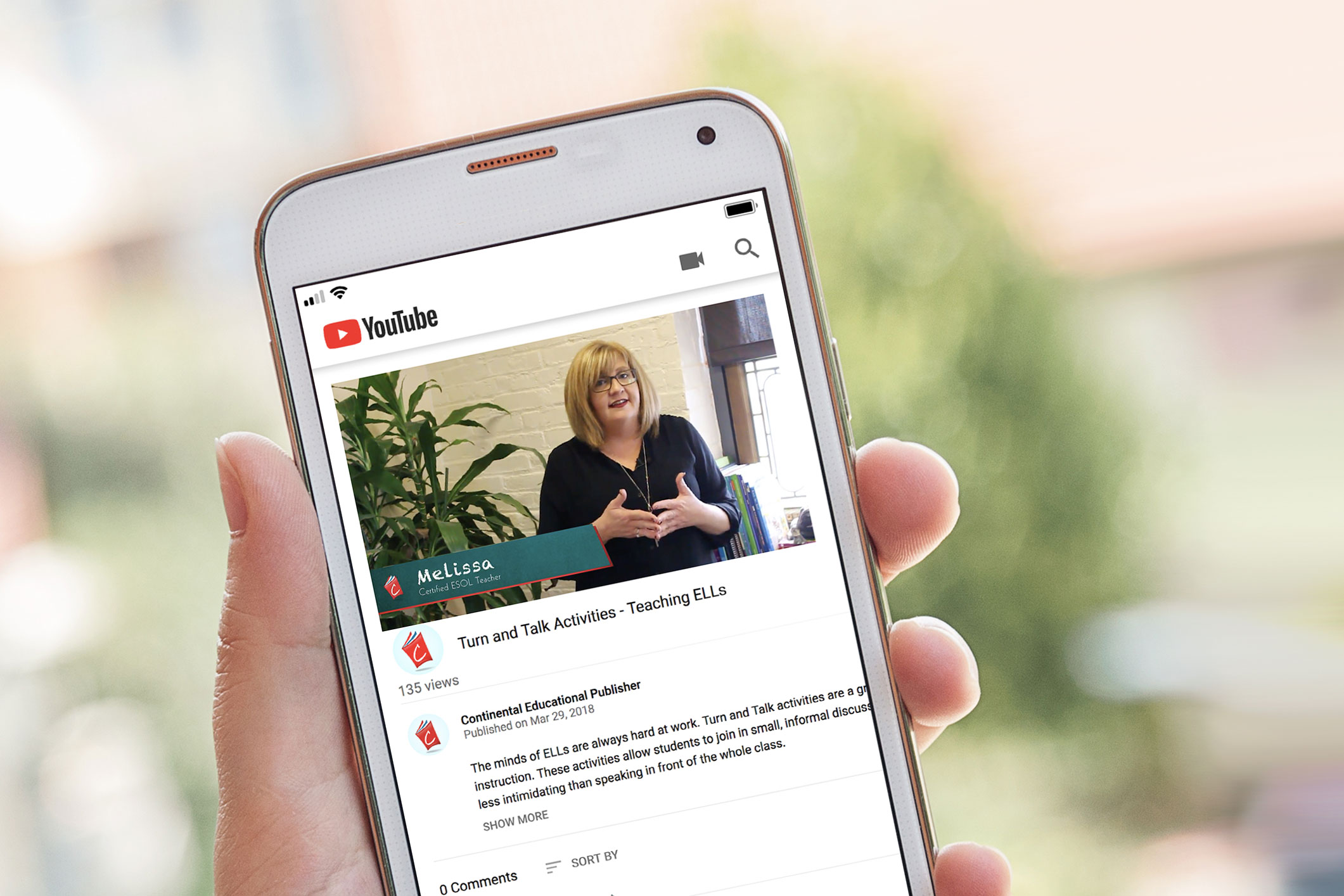
Benefits of Turn and Talk
English language learners (ELLs) face considerable challenges in the classroom. It is essential that teachers provide strategies and support for ELLs to develop both their academic skills and their language skills.
Turn and Talk is an activity that is useful for all students — especially ELLs. This activity can be used in any grade level and any content area. The benefits of Turn and Talk include:
- Increases student engagement and participation
- Develops oral language skills
- Encourages active listening
- Scaffolds learning through provided prompts
- Incorporates higher-order thinking skills
- Provides a less intimidating space for ELLs to answer questions
How to Use Turn and Talk With ELLs
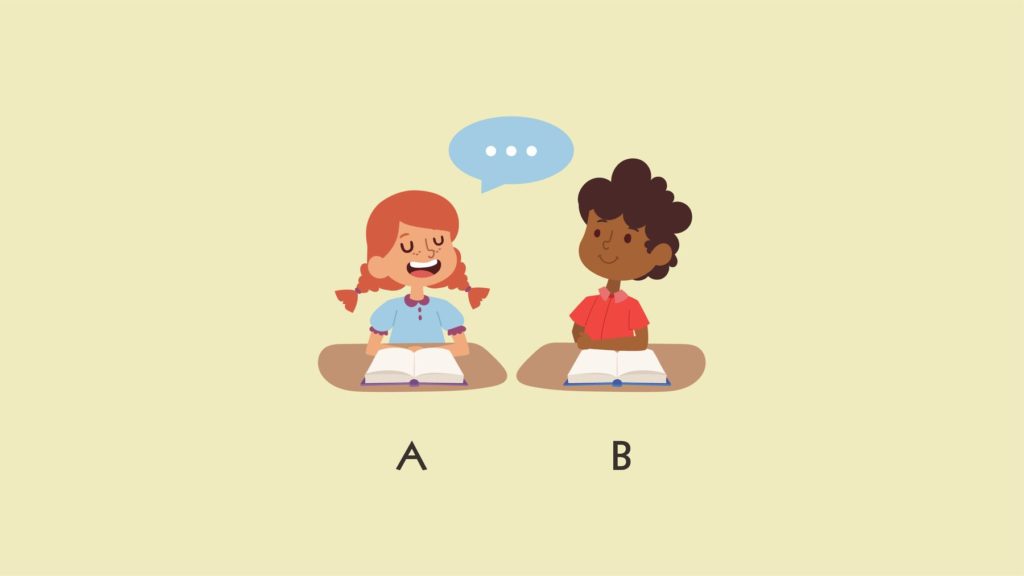
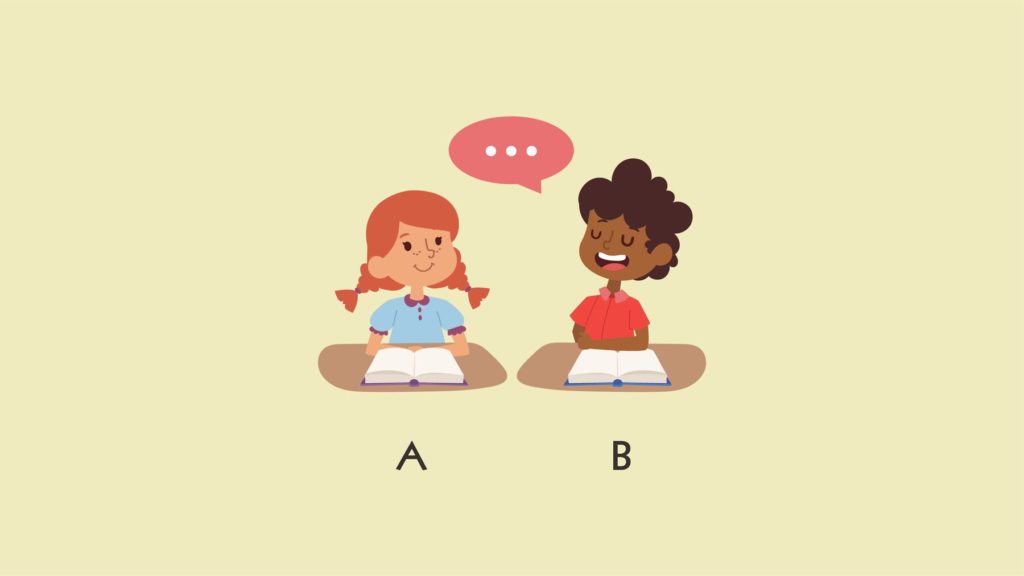
More than likely, you’re familiar with how Turn and Talk works. You pair-up students, pose a question or topic related to your lesson and then allow them to discuss as you walk around to observe and record their performance. When you’re getting started with Turn and Talk, assign roles for Partner A and Partner B. Begin by giving about one minute for Partner A to speak and then another minute for Partner B to take a turn. Some days, let Partner B go first to make sure they get equal participation time and that the same students aren’t always dominating the conversation.
You can also try a Turn and Talk variation called Second Set Partners where each student gets to interact with two friends over the duration of the activity, as opposed to just one. Here’s how it works: After your student pairs discuss the question or topic, each student turns to a second partner and shares the thoughts the first partner gave.
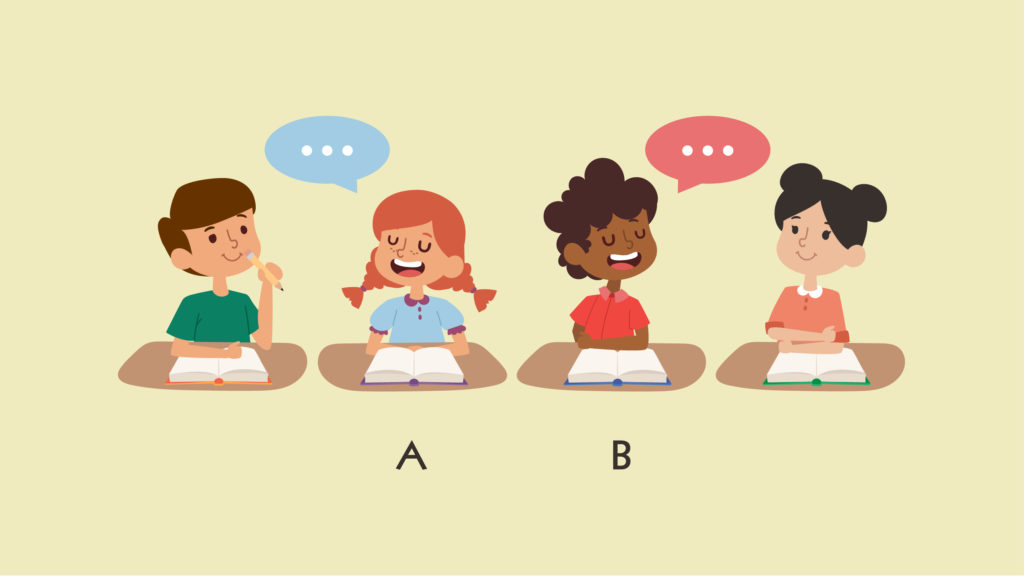
For example, if Jon and Emily are partners, Jon would tell his second partner, “Emily said a rock would sink because it is very heavy.” And Emily would tell her second partner, “Jon said the paper floats.” This Second Set Partners activity is also great practice for paraphrasing skills.
Ready to find the best resources to support your English learners? Check out Continental’s Guide to English Learner Programs to find the right fit for your classroom.
This blog was originally published on March 18, 2018. It was updated on February 24, 2023.