


The first few minutes of school can set the tone for the whole day. Morning meetings are the perfect routine to start off on the right foot. They help build a sense of classroom community, foster social connections, and strengthen rapport between teachers and students.
In this article, you’ll find easy morning meeting activities, questions, and classroom morning routines that make mornings meaningful without adding a lot of extra prep.
What is a Morning Meeting & Why Does it Matter?
A morning meeting is a brief, structured gathering at the beginning of the day where everyone in the classroom comes together to connect and prepare for learning. While morning meeting activities are most common in elementary classrooms, they can be used in any grade level.
A typical morning meeting lesson plan includes the following:
- Greeting
- Social-emotional learning component
- Activity
- Sharing and listening
Morning meetings give students a predictable, purposeful routine. When students can begin the day feeling grounded and connected, they’re more ready to learn. The communication, social-emotional, and self-management skills fostered here don’t just help students navigate the classroom—they help them navigate life.
For English learners (ELs), morning meetings can be an especially powerful part of the school day. They offer low-pressure opportunities for language practice, social connection, and confidence-building.
When students feel welcomed and affirmed, their affective filter—the emotional aspect that can make learning challenging—naturally decreases. This helps them acclimate more quickly, take academic risks, and feel more willing to participate in classroom discussions.
14 Morning Meeting Activities & Resources
Ready to bring your morning meetings to life? Here are easy-to-implement morning meeting ideas for each component—and they’re readily adaptable for whatever grade you teach.

Ideas for morning meeting greetings
- Greetings from around the world
Introduce a new way to say “hello” each week or month. Post it on your whiteboard, practice it as a group, or let a student leader teach everyone the greeting. Not only does this build cultural awareness, but it can also allow your ELs to share their native language with their classmates.
- Partner handshakes
Partner up your students and have them greet each other using a simple handshake, elbow bump, wave, or even have them create their own. Rotate partners to build connections across your classroom community.
- Would you rather?
Morning meeting questions are a fun way to get students talking to each other. Ask a fun “Would You Rather” question and have students either put their name under or tally their choice. After everyone has answered, have students explain their reasoning with a partner.
Social-emotional activities
- Daily affirmations
Choose one affirmation each morning. Say it together or allow students to echo it back. For daily affirmations to use in your morning meetings, check out our free printable affirmation cards.
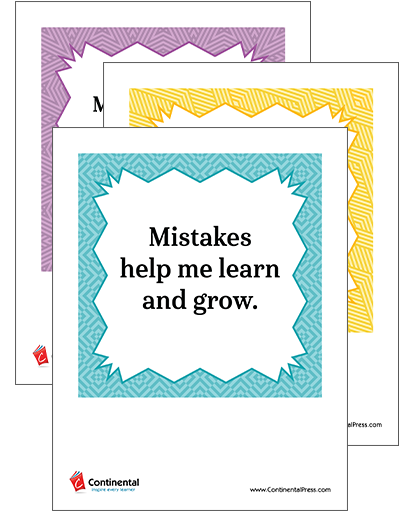
FREE Printable Affirmation cards
This bundle features printable affirmation cards that build confidence and encourage kindness—perfect for morning meetings or daily classroom routines.
- Feelings check-in
Use a simple chart or a slip of paper with faces, emojis, or colors to represent emotions. Students can have the option of writing their name on their paper and sharing it with you if they’d like you to know how they’re feeling.
- Gratitude journals
Have your students spend one minute drawing or journaling about something that they are grateful for.
- Mindful minute
Lead students through a brief mindfulness activity to help them reset, focus, and transition into learning.
Morning meeting activities
- Movement warm-ups
Incorporate movement with a quick stretch, dance break, or follow-the-leader routine to help students wake up and get ready to focus.
- Mystery bag
Place an object in a paper bag. Students ask yes or no questions to try to figure out what’s inside. This activity helps to build vocabulary, questioning, and collaborative skills.
- Picture of the day
Display an interesting photo and have students share observations, make predictions, or describe what they notice. This is helpful oral language practice for all students, but it especially benefits ELs.
- One-minute challenge
Including a “Minute to Win It” style activity is a quick and energizing way to build teamwork. Students can stack cups, complete a mini-puzzle, or list as many animals as they can in a minute.

Ideas for sharing & listening
- Turn and talk
Present a quick prompt and have students turn and share with a partner. It could be as simple as “What’s one thing you’re looking forward to today?” Turn and Talk helps students build connections and confidence in speaking in a low-pressure environment.
- Spotlight share
Choose a few students each day to share something—a fun fact, a weekend highlight, or something new that they learned recently.
- Comment, question, compliment
This activity helps students develop their active listening and respectful conversation skills. After a student shares, classmates can respond using one of three sentence stems:
- I noticed…
- I wonder…
- I like how…
Teacher’s Corner
We asked our Teacher Advisors Group for ideas on how they implement morning meetings in their classrooms. Keep reading to find out what they shared.
What is your favorite morning meeting activity, and why?
“My favorite morning meeting activity is asking my ELLs ‘Would you rather’ questions. They love choosing between two options and it always sparks laughter and great conversations.” — Benita Afonso
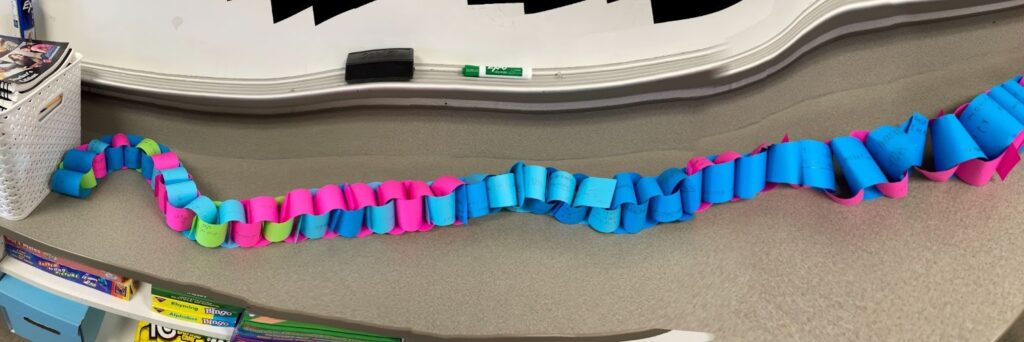
“With my 3-5 graders, we usually start with a question of the day. For the month of November we are concentrating on being thankful or grateful and what that means. They get a sentence strip and write, “I am thankful for _______________ because______________.” They fill it out with the condition that it must be something different every day. We attach them to make a gratitude chain. I set timers for everything. I have been giving them 3 minutes for their sentences, then I go on to the lesson.” — Sheri Swearengin
How do you structure your morning routine to set a positive tone for the day?
“I begin my day greeting students when I pick up my group, then start with ‘Would you rather’ slides on the SmartBoard. In my push-in model, I greet the whole class and move into structured group sessions.” — Benita Afonso
Can you share a real-life example where a morning meeting or routine had a positive impact on your students?
“We were writing our thankful sentences, and one student shared that her aunt had recently passed away. I helped her write a positive sentence about her aunt, and she told me about her favorite memory. She just needed someone to talk to.” — Sheri Swearengin
What tips or tricks would you give other teachers to make morning meetings easy and effective?
“Keep routines consistent for ELLs, but be flexible. Sometimes students love a surprise after a routine. Involve them to build ownership, especially if they love leading activities.” — Benita Afonso
Morning meetings are a small investment that can pay off in big ways. This routine creates a space where students feel seen, heard, and ready to engage—not just academically, but socially and emotionally.
The key is consistency, flexibility, and ensuring every student has the opportunity to participate. With just a little planning, mornings can become one of the most rewarding parts of your day.
Learn more about building a strong classroom community and how to make learning meaningful for all students today.
Thank you to our blog contributors: Benita Afonso, ENL/Building Point Person for grades 1 and 2 in Sleepy Hollow, New York; and Sheri Swearengin, an EL teacher in Marshall County Schools.